Votre panier est vide.

Pourquoi la continuité opérationnelle est critique dans les systèmes digitaux
12 May
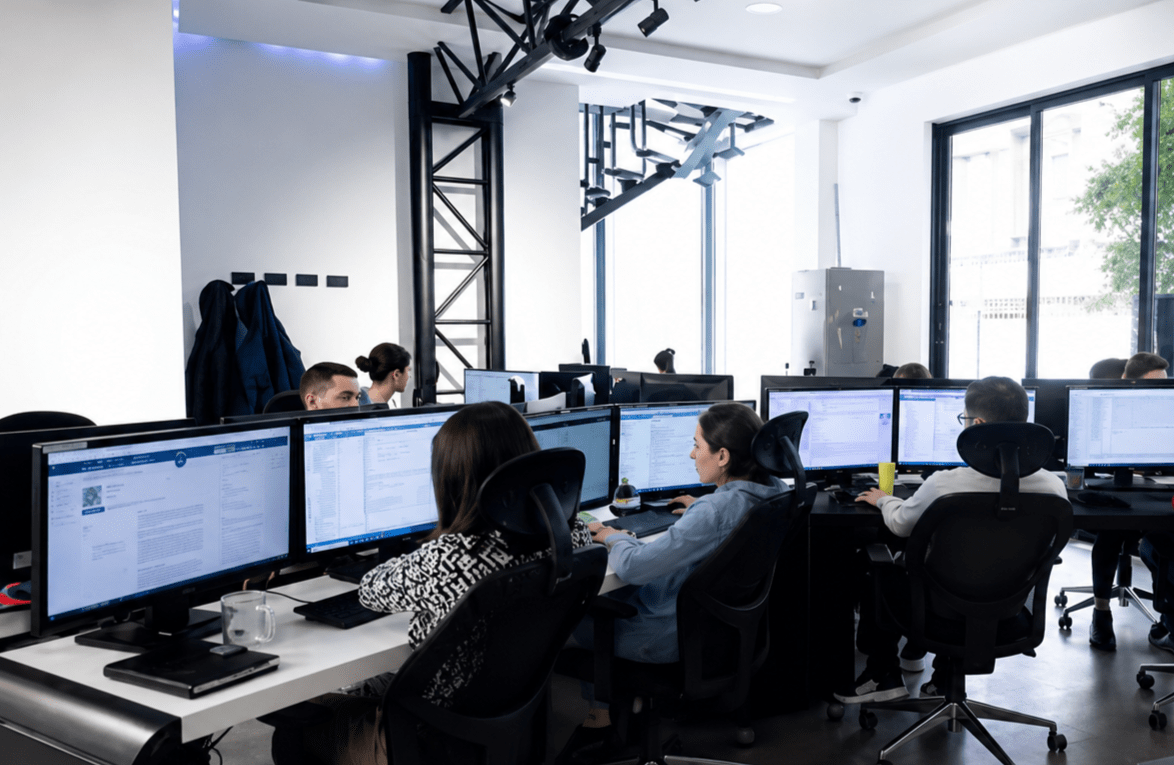
Dans les infrastructures digitales modernes, la véritable valeur ne se mesure plus uniquement par les fonctionnalités offertes par les systèmes, mais par leur capacité à fonctionner en continu sans interruption. À mesure que les processus opérationnels deviennent de plus en plus digitaux, les institutions, les entreprises et les utilisateurs dépendent davantage de la stabilité des systèmes en temps réel.
À ce niveau, la continuité opérationnelle n’est plus seulement un objectif technique. Elle devient une partie intégrante des processus opérationnels que les systèmes soutiennent chaque jour.
Quand les systèmes deviennent partie intégrante des opérations quotidiennes
Aujourd’hui, les systèmes digitaux soutiennent des processus qui fonctionnent en continu et qui ne peuvent pas être interrompus sans affecter directement les opérations.
Dans des environnements à forte utilisation, même de courtes interruptions peuvent impacter le flux des processus, l’accès aux services et la continuité des opérations qui dépendent du système lui-même.
Pour cette raison, la continuité opérationnelle est de plus en plus considérée comme un composant critique à la fois de l’architecture des systèmes et de leur gestion opérationnelle.
La stabilité opérationnelle dans les environnements exploités en continu
Dans les systèmes exploités quotidiennement, la stabilité opérationnelle exige bien plus qu’un monitoring basique ou des interventions réactives après l’apparition des problèmes.
Elle nécessite un monitoring continu, l’optimisation des performances, la gestion de charge, une réaction rapide face aux anomalies opérationnelles ainsi que la capacité d’implémenter des changements sans interrompre les opérations en cours.
En pratique, cela crée des environnements opérationnels où les systèmes doivent continuer à fonctionner pendant les mises à jour, les optimisations et les périodes de forte charge opérationnelle.
La continuité comme partie intégrante de la résilience opérationnelle
Dans de nombreux cas, le plus grand risque opérationnel ne se limite pas aux cyberattaques ou aux défaillances techniques, mais à l’interruption de l’exploitation elle-même.
Dans les environnements exploités en continu, la capacité à maintenir le fonctionnement sous pression opérationnelle devient une partie essentielle de la résilience et de la fiabilité du système.
Pour cette raison, la continuité opérationnelle est directement liée à la manière dont les systèmes sont conçus, supervisés et gérés en temps réel.
Construire des systèmes pour une exploitation continue
Les systèmes modernes ne peuvent plus être considérés comme des produits statiques conçus pour fonctionner uniquement dans des conditions idéales. Ils doivent être construits et exploités en tenant compte d’une utilisation continue, de changements permanents et d’une stabilité opérationnelle à long terme.
Cela nécessite une combinaison entre architecture technique, monitoring opérationnel et gestion disciplinée des changements tout au long du cycle de vie du système.
La continuité opérationnelle comme standard à long terme
Comme l’explique Ermal Beqiri, fondateur d’ALSoft :
« Dans les systèmes exploités chaque jour, le véritable défi n’est pas uniquement de livrer de nouvelles fonctionnalités. Le défi consiste à maintenir la continuité opérationnelle pendant que les systèmes continuent d’évoluer, de monter en charge et de fonctionner quotidiennement dans des conditions réelles. »
La stabilité opérationnelle ne se définit finalement pas uniquement par la technologie utilisée à l’intérieur d’un système, mais par la capacité à maintenir ce système fonctionnel, maîtrisé et fiable à chaque instant de son exploitation.