No products in the cart.
How AI Is Being Used for Real-Time System Monitoring and Optimization
08 May
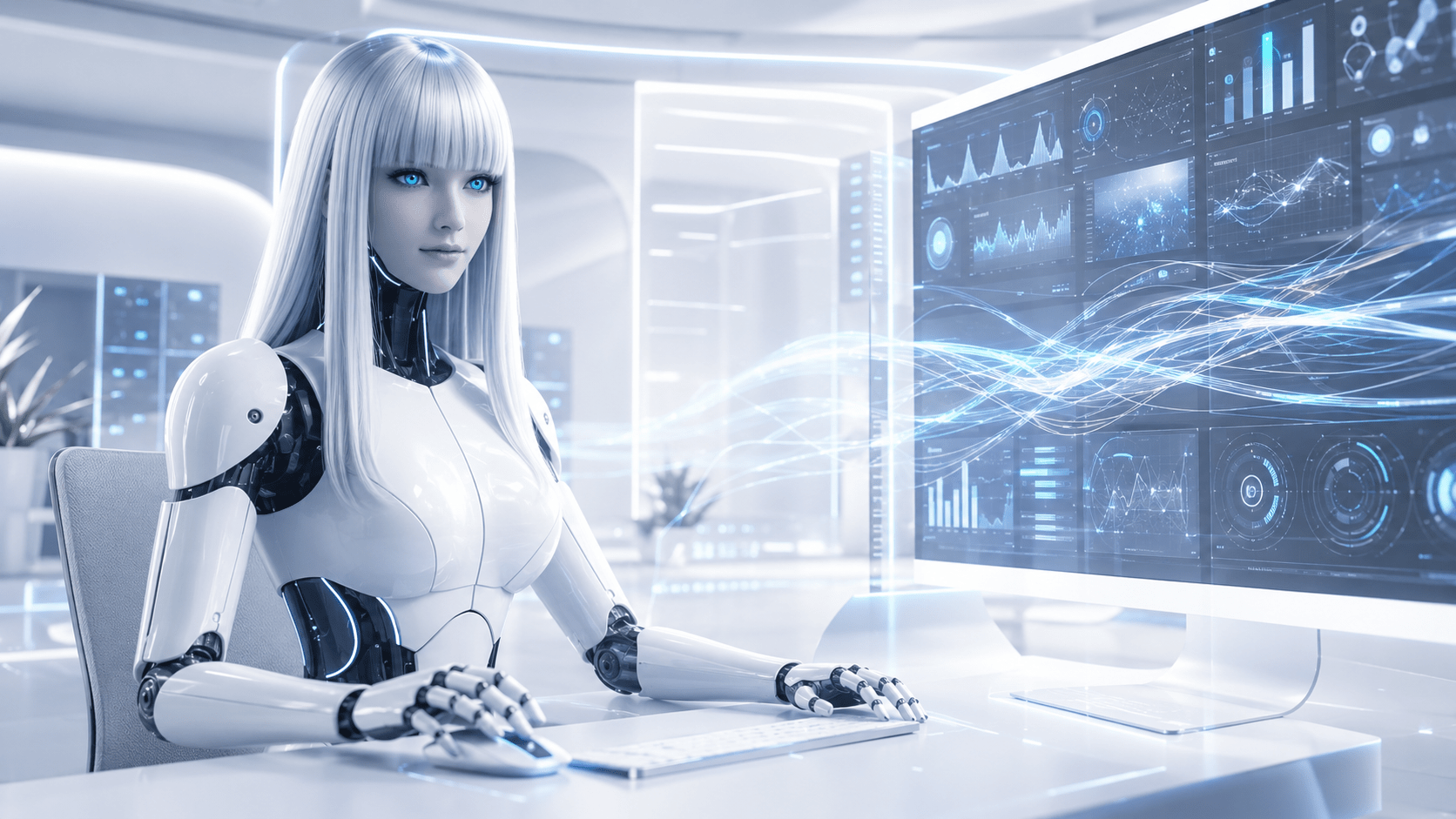
In modern operational environments, monitoring is no longer limited to identifying issues after they occur. With the integration of AI, systems are progressively moving toward operational models where analysis, optimization, and response happen in real time.
In continuously operating systems, this is changing the way performance and operational stability are managed. AI is no longer used only for automation, but also to analyze system behavior, identify anomalies, and support operational decision-making on an ongoing basis.
System monitoring beyond traditional operational models
Traditionally, system monitoring relied on static alerts, manual analysis, and reactive intervention after problems had already been identified. In systems with high operational load and increasingly complex interactions, this approach is becoming insufficient.
AI integration is creating a monitoring layer capable of analyzing usage patterns, performance variations, and unusual operational behavior in real time.
This allows systems to detect deviations much earlier and support continuous optimization before issues directly impact operations.
Real-time operational optimization
As systems scale and operational environments become more complex, the ability to optimize performance dynamically becomes increasingly important.
AI is being used to analyze operational load in real time, identify performance bottlenecks, optimize resource allocation, and support process prioritization based on live operational conditions.
In practice, this creates systems that no longer rely exclusively on manual intervention, but are capable of adapting operational behavior dynamically based on real-time system conditions.
Maintaining operational control over adaptive systems
As AI becomes more integrated into monitoring and optimization processes, operational control becomes even more critical.
In systems operating continuously, every analysis, recommendation, and automation process must be continuously monitored and validated. Adaptability only creates value when there is clear operational control over how systems react and make decisions.
In modern operational environments, AI is increasingly treated as an extension of operational control rather than a replacement for it.
AI as part of operational infrastructure
In many modern systems, AI is gradually becoming part of the operational infrastructure itself. Not only to automate processes, but also to support operational continuity, system stability, and real-time performance management.
As Ermal Beqiri, founder of ALSoft, explains:
“As systems become more operationally complex, managing them through traditional monitoring logic alone becomes increasingly difficult. AI is creating the ability for systems to analyze and optimize operations in real time, but the real value depends on how that level of operational control is structured, monitored, and managed in practice.”
System monitoring and optimization are moving toward a far more dynamic and intelligent operational model.
In the end, AI is not only changing the technology used inside systems. It is changing the way systems operate, respond, and adapt in real time across modern digital infrastructures.