Nessun prodotto nel carrello.

La gestione dei dati critici su scala nazionale: cosa richiede nella pratica
28 Apr
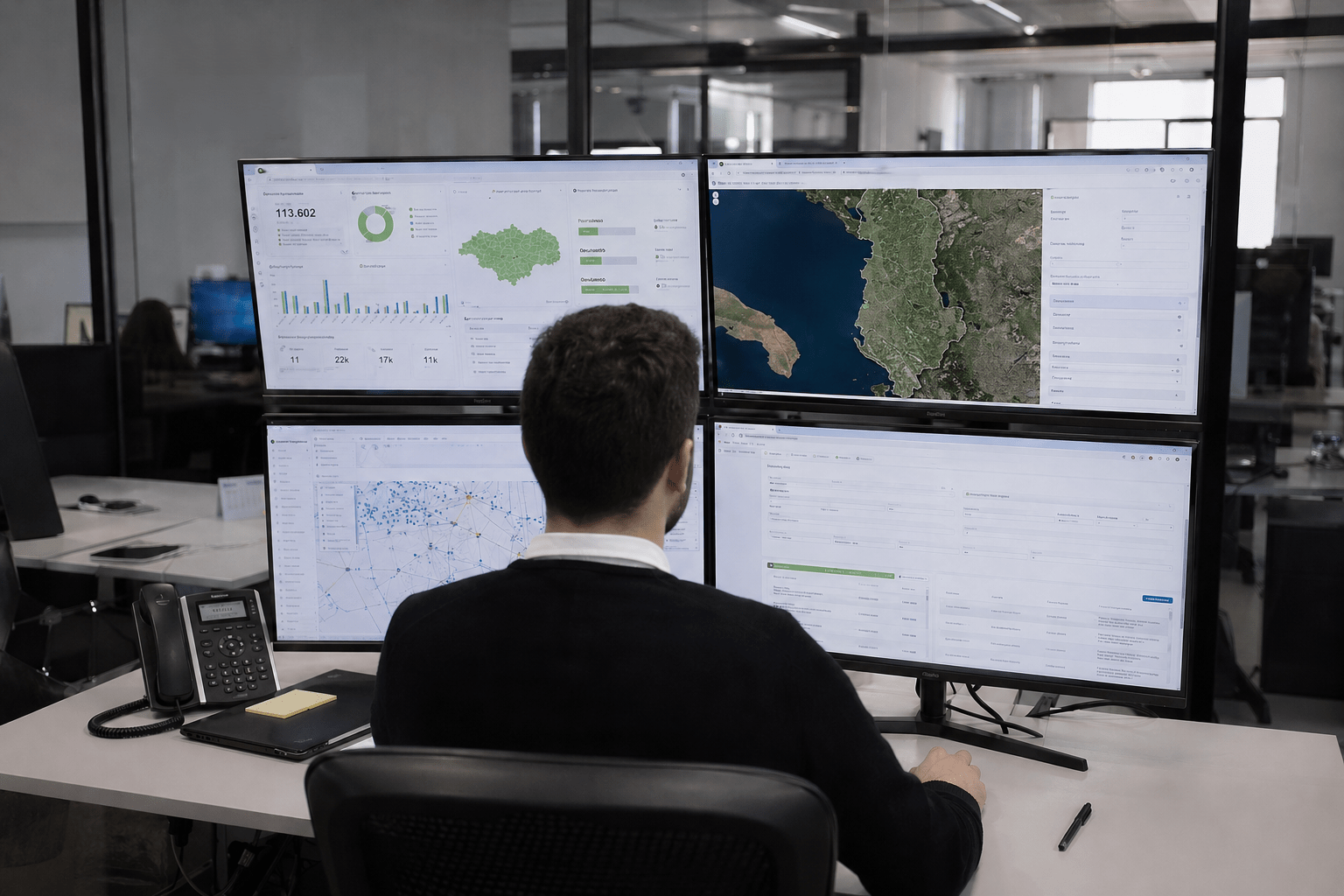
In molti casi, i dati vengono trattati come un semplice elemento tecnico. Tuttavia, nei sistemi che operano su scala nazionale, rappresentano molto di più. Diventano la base per decisioni, processi legali e interazioni quotidiane tra istituzioni e cittadini.
In questo contesto, la gestione dei dati critici non è solo una sfida tecnologica. È una responsabilità operativa che richiede controllo, coerenza e affidabilità nel tempo.
L’integrità dei dati come fondamento
Nei sistemi con impatto pubblico, ogni dato deve essere accurato, completo e sincronizzato in ogni momento.
I problemi raramente si manifestano in modo immediato. Tendono a emergere gradualmente attraverso:
- incoerenze nei registri
- ritardi negli aggiornamenti
- mancanza di sincronizzazione tra i sistemi
In queste condizioni, l’integrità dei dati diventa il fattore determinante per stabilire se un sistema può essere considerato affidabile in un contesto reale.
La complessità operativa su scala nazionale
I sistemi che gestiscono dati critici non operano in isolamento. Fanno parte di ambienti interconnessi, in cui ogni interazione genera effetti a catena.
Questo crea un livello di complessità che richiede:
- coordinamento continuo
- controllo sui flussi di dati
- processi operativi strutturati
A questo livello, la sola funzionalità non è sufficiente. Ciò che conta è il comportamento del sistema in condizioni reali e in operatività continua.
Il sistema catastale come esempio concreto
Il sistema catastale rappresenta un esempio chiaro di questa complessità, in quanto i dati che gestisce hanno un impatto diretto a livello legale e istituzionale.
In questi sistemi:
- ogni modifica dei dati ha conseguenze reali
- ogni incoerenza influisce su altri processi
- ogni ritardo impatta l’esperienza degli utenti
Questo richiede un elevato livello di stabilità e controllo in ogni momento.
Il controllo come parte dell’operatività
Nei sistemi di dati critici, il controllo non può essere una risposta ai problemi. Deve essere integrato fin dall’inizio nel modo in cui il sistema opera.
Questo include:
- tracciabilità completa delle modifiche
- visibilità sui flussi di dati
- capacità di individuare e correggere deviazioni in tempo reale
Senza questo livello di controllo, un sistema può funzionare, ma non può garantire responsabilità.
Un approccio validato nella pratica
Come afferma Ermal Beqiri, fondatore di ALSoft:
“Quando si lavora con sistemi che gestiscono dati critici, diventa chiaro che la responsabilità non è definita da ciò che viene costruito, ma da come quella struttura si mantiene nel tempo. Perché ogni dato non rappresenta solo un’informazione, ma una decisione, un processo e una responsabilità reale.”
In ambienti in cui i sistemi operano su scala nazionale, l’affidabilità non è definita solo dalla progettazione, ma dalla capacità di mantenere prestazioni costanti in condizioni reali.
I sistemi che durano nel tempo sono quelli che garantiscono integrità dei dati, controllo e stabilità in ogni fase dell’operatività.